
December 1, 2021
Culture Corner | Getting to Know Our Hmong Neighbors
In the early 2000s, an agent by the name of Tzong Yang joined BetterLife (then National Mutual Benefit). Yang has deep roots in the Hmong* community and brought with her a desire to introduce a new culture into our already diverse membership. While we had a small handful of Hmong members before she started, Yang greatly expanded our presence in the Hmong community. Today, we have four Hmong agents and almost 3,000 Hmong members.
*The Hmong are an ethnic group typically from Southern China, Vietnam, Laos, Thailand, and Myanmar. Traditions and legends indicate they originated near the Yellow River region (southern China). Linguistic evidence suggests they’ve occupied those areas for over 8,000 years.
Coming to America
Prior to 1970, the Hmong have no significant history of immigration to the U.S. But, the effects of the Vietnam War brought about a new age for the Hmong people.
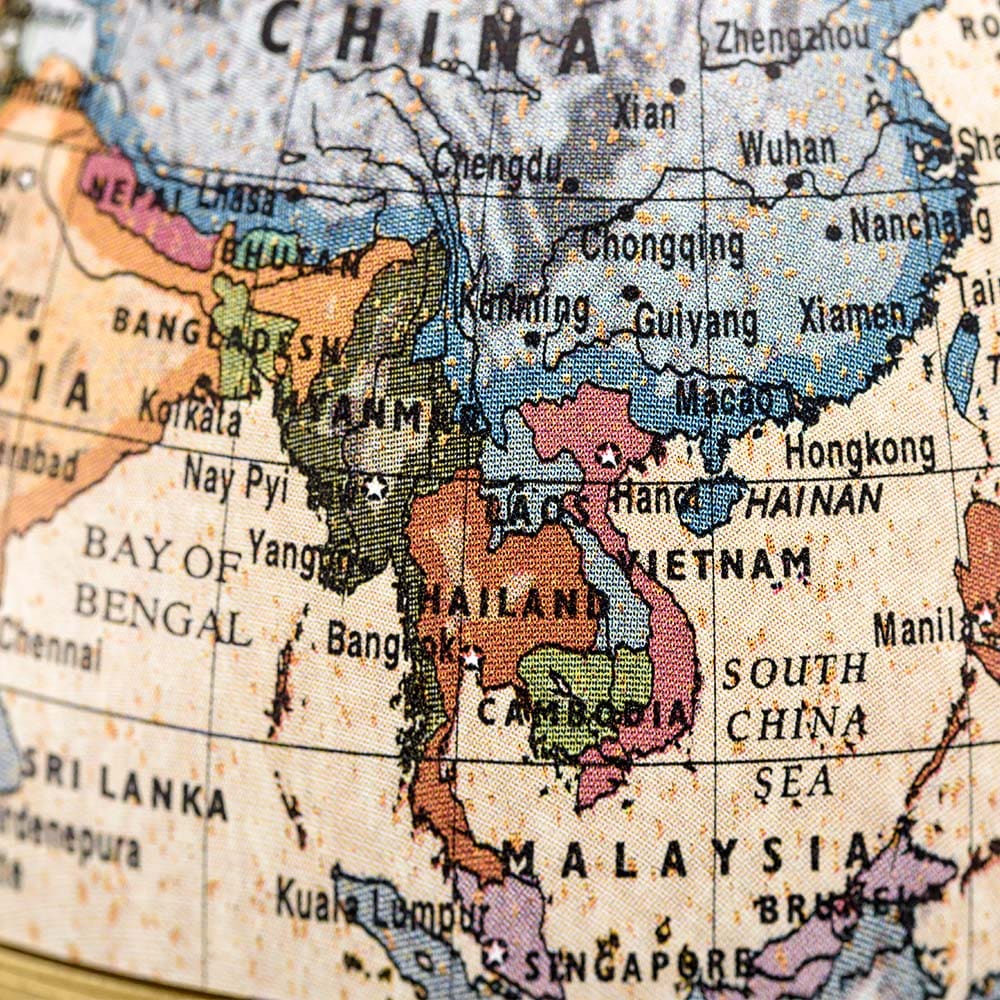 The year was 1975, and the 21-year war in Vietnam, Laos, and Cambodia was over. However, the devastation these countries endured and the turmoil that remained was undeniable. An estimated two million Vietnamese were killed, three million injured, and another twelve million were forced to leave their homes. That’s when the Hmong people started to seek refuge by coming to America.
While there were initially only about 1,000 Hmong evacuated to the U.S., by 1978 about 30,000 Hmong refugees found sanctuary in America. Fast forward to 2019, the U.S. Hmong population—primarily made up of those who immigrated to the U.S. in the late 1970s and their descendants—is estimated at 327,000.
Maintaining Their Identity
Despite relocating several times throughout history, Hmong people have maintained a strong cultural independence and identity. One of the most unique and important characteristics of the Hmong culture is the emphasis on family. Hmong “clans” are essentially families that are represented by last name — people with the same last name are considered close relatives, even though they sometimes cannot trace how they’re related. There are about eighteen different Hmong clans that make up the entire Hmong population.
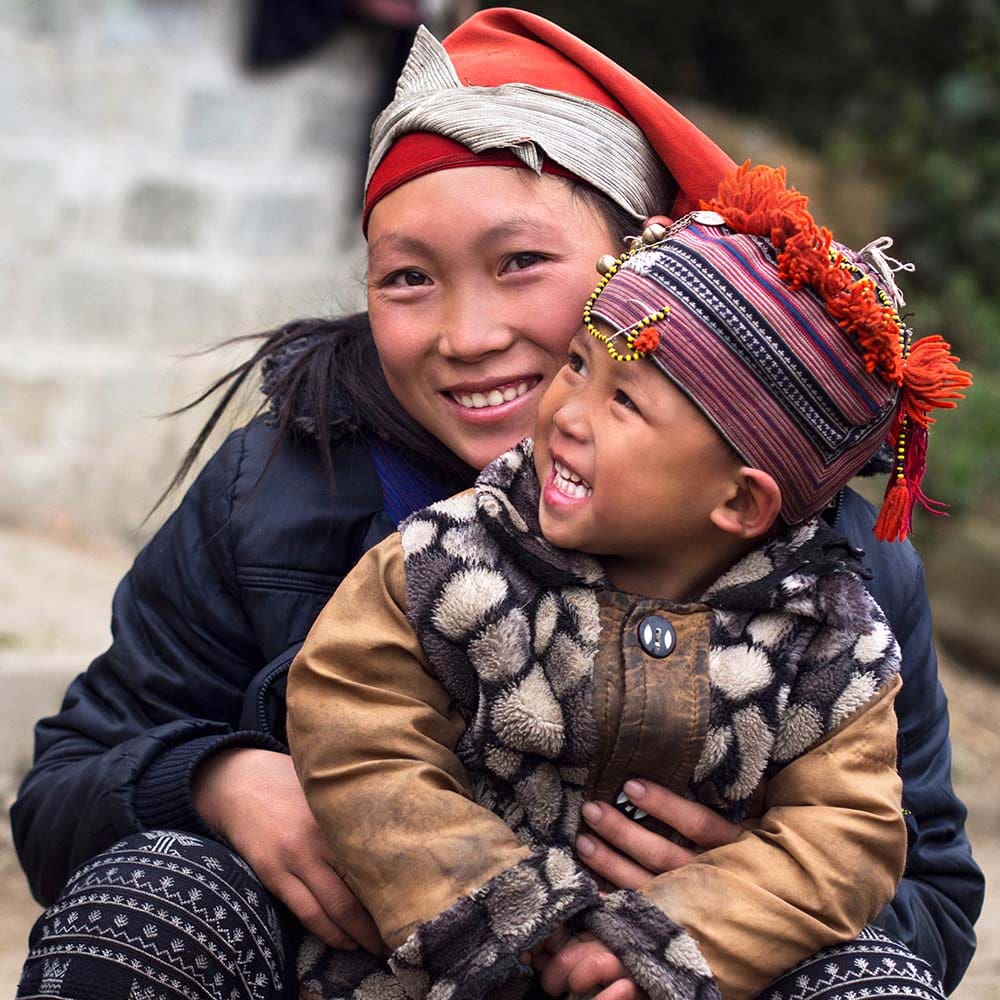 Another incredibly important aspect of Hmong culture is ancestry and preserving traditions. Rituals like Hmong weddings, graduations, and births are very meaningful. In traditional Hmong culture, it’s even common to hold spiritual ceremonies to help someone recover from illness. Above all, the most sacred of Hmong rituals is the funeral.
Understanding an Unfamiliar Culture
When former BetterLife Agent Yang first started requesting Final Expense policies to cover funeral/burial costs for her prospective Hmong members, we had some confused underwriters. The average BetterLife Final Expense policy has a face value between $15,000 and $25,000. However, some of Yang’s prospects were coming to her with requests for policies to cover final expense costs up to $100,000. That’s when Yang had to take a step back and explain to our underwriters how the Hmong cultural and funeral traditions differ from American culture.
The traditional Hmong belief is that a person’s soul reincarnates as a different form after death. In order to lead their soul on to their next journey, the Hmong hold a funeral service that can last anywhere between three and four days, nonstop, for 24 hours a day. Because of the length and nature of these services, Hmong funerals can be fairly pricey. The cost is also dependent upon family preference, family status, and the will of the deceased.
A Sacred Tradition
While not all Hmong traditions have made their way to today’s ceremonies in America, the customs are still widely respected. Here are just a few of the other practices you may see in a traditional Hmong funeral ceremony:
- As soon as someone passes away, as well as for a period of time following the burial, friends and family visit the family of the deceased to support and encourage them.
- Family members keep watch over the funeral home 24 hours a day throughout the entire service.
- The funeral home has rooms set aside for mourners to sleep, eat, enjoy games, and play music.
- A flute-like instrument made of bamboo (called a qeej) is played to help guide the spirit to its ancestral home.
- Friends and family provide wealth to the deceased on their spiritual journey by making boats with imitation gold money.
- Heart and circular-shaped memorials are made from imitation paper money to provide prosperity in the afterlife.
- Cows and chickens are sacrificed to help lead the deceased on their next journey and to serve the mourners in a continuous feast.
- Deceased men traditionally wear black and white, while women wear colorful outfits. Usually, family members will add other traditional items such as a pillow or a long rope-like piece, each rich in colors and hand sewn.

- A chicken is placed by the head of the deceased to provide them with a meal on their journey.
- In lieu of flowers, guests bring “sunshine money” — donations to help the family cover costs of the funeral.
Today, many Hmong people in America have converted to Christianity. While that’s changed some of the traditions slightly—like the attire of the deceased and the holding of a church service rather than the customary spiritual calling—the overall layout is generally the same.
The brief history and traditions shared above are just a few of the many features of this beautiful, fascinating culture. Watch the Culture Corner section of our blog and the BetterLife Magazine to continue to learn about cultures all throughout the world.