
August 13, 2020
Five Ways to Give Back to Your Community
Written by Reese Jones.
Our world’s current situation has pushed many of us to stay in the comforts of our homes. While that means there is a higher chance most of us are staying safe and healthy, it also means there are suffering communities, as less people are out providing support. If you and your family are looking for a way to stay busy, now might be the best time to consider giving back to your community! Not only will you be helping others in need, you will also have the chance to spend quality time with your loved ones.
Figuring out where to start, especially during these trying times, can turn out to be more challenging. To help you get started, we have come up with five different ways your family can give back to your community.
Use Your Skills
While giving back to the community is usually associated with volunteering and making donations, there are actually a lot of creative ways you can extend a helping hand. If you are skilled in a particular field, you can offer your expertise and talent to be of service to those in need. For instance, if you have a knack for sewing, you can help make homemade face masks and personal protective equipment for those working on the front lines in your community.
Give Blood
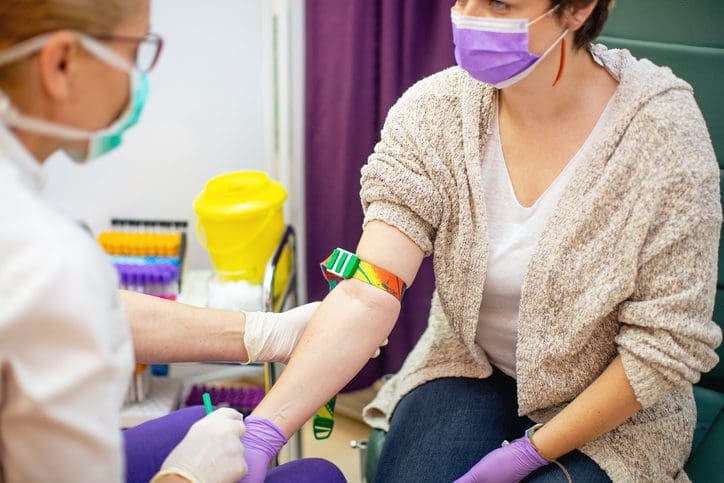
As the number of people needing blood continues to increase, the number of people donating is, unfortunately, dwindling. If you and your family are perfectly healthy and have no health complications, donating blood can be the perfect way for you to give back. The Red Cross and other blood banks have remained open in spite of the pandemic and have ensured that safety precautions are in place. A simple yet vitally important way you can give back to your community. Visit the American Red Cross site to see how you can set up a donation.
Donate Some of Your Things
With schools shifting into the digital space, most students are forced to rely on virtual learning to continue their education. However, the sad reality is not everyone has a personal computer. If you or your family has spare or old gadgets, consider donating them. Students who are not yet equipped for distance learning will benefit from your donation. You can connect with the National Digital Inclusion Alliance, which recently launched a countrywide call for laptops, desktops, Chromebooks, and tablets.
Shop for Your Neighbors

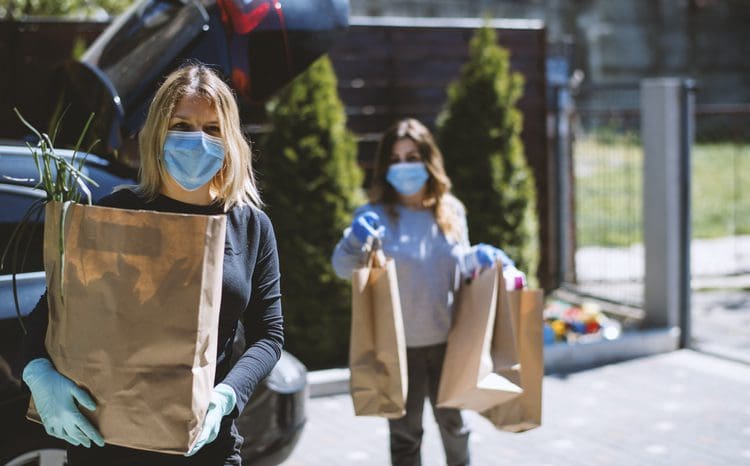
Multiple studies have shown that seniors are among the most vulnerable individuals to the virus. If there are seniors within your community who are living alone, try to check-up on them as much as you can. This can help them deal with loneliness, which is not only prevalent among the elderly but has also been aggravated by the COVID-19’s restrictions. If possible, offer to do their shopping for them in order to limit their exposure to the ongoing pandemic. If you are already going to the store, check with friends, family, or other neighbors who may also be in a higher risk category. By picking up a few items for other people, you will help eliminate their exposure and may play a role in reducing the spread of COVID-19.
Provide Mental Health Support
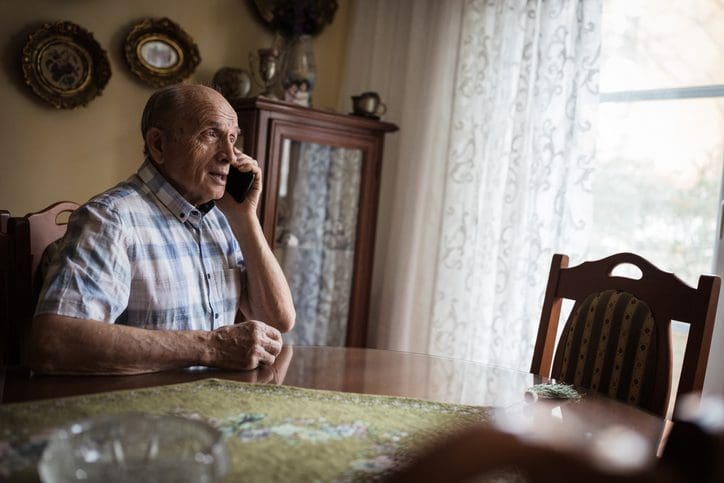
Across the globe, the pandemic’s public health and economic effects can be felt far and wide. News of injustice, poverty, corruption, violence and all sorts of social unrest continue to dominate the majority of the headlines. During times of great uncertainty, it can be easy for many of us to feel small, helpless, inadequate, useless and anxious. Utilize virtual ways of communicating to check on your friends, family or anyone in your community. Chances are, helping relieve someone else’s concern will also help you manage your own mental health.
Helping the Community Can Help You Too
The positive effect helping others provides a variety of benefits. Many students add volunteering to their education curriculum throughout their high school and college careers. The Department of Education also outlines how universities and colleges incorporate volunteering in their programs to promote an acute sense of civic responsibility as well.
Donating some of your time to volunteering can help teach important values such as dignity, social justice, emotional intelligence, integrity and competence, and self-care. All of these skills can be learned through reading and research. This means families and individuals of all ages can mimic these lessons by introducing volunteer work into their lives. It is never too early to start educating your family and yourself on the importance of being socially responsible. In these trying times, communities need to stick together. We hope this article has presented some feasible ways you can help those around you!
For more ideas for spending some quality family time together, check out our previous post!
Want to stay up-to-date on what’s new in NMB’s blog? Follow us on Facebook and/or keep an eye on our Instagram page!